
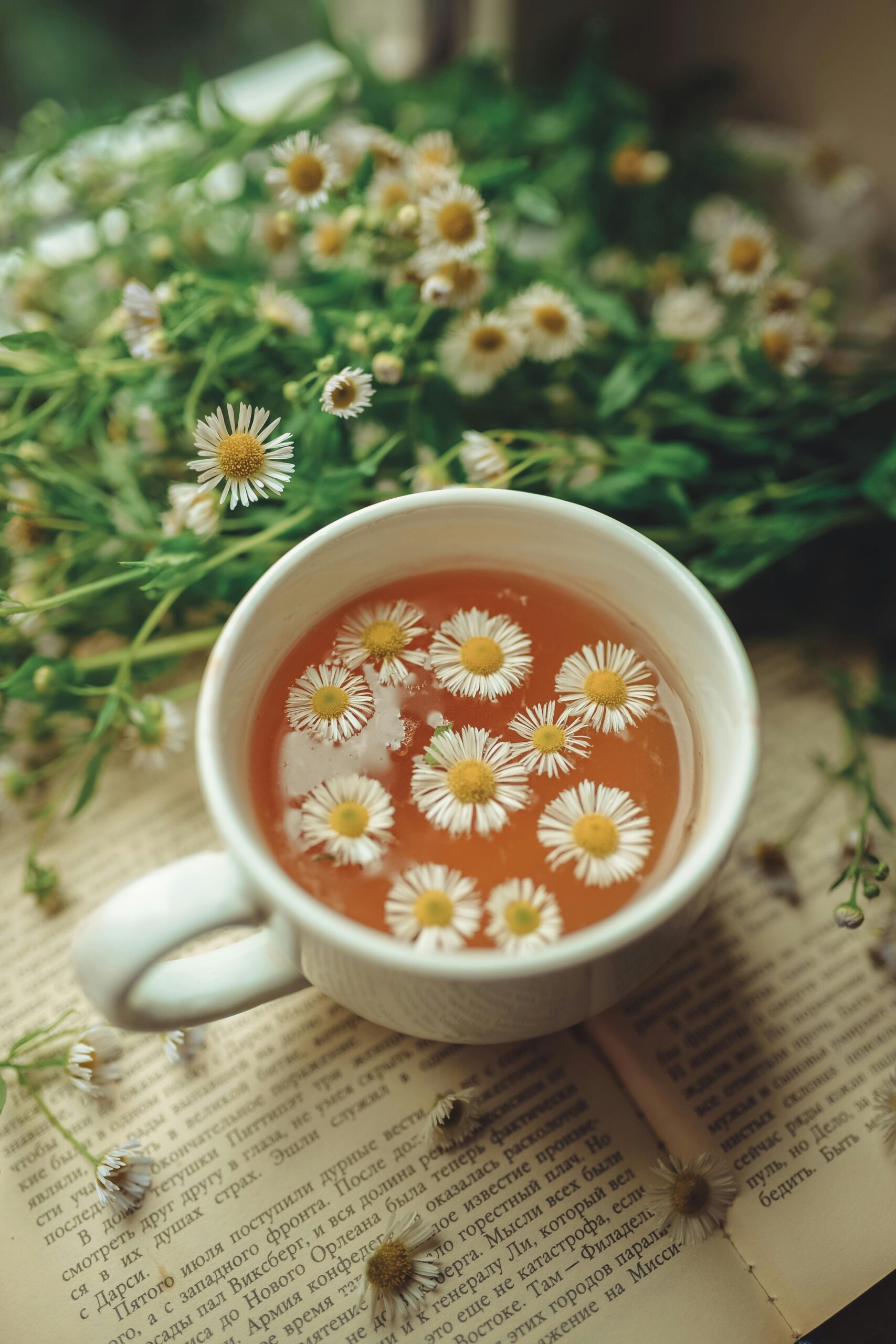
When you’re talking about skincare, what you’re drinking is just as important as what you put on your skin. Herbal teas are full of antioxidants, vitamins, and natural acids that nourish your skin, keeping it clear, healed, and glowing — from the inside out.
These are the best herbal teas that can change your skin naturally.
1. Green Tea – The Antioxidant Armor for Healthy, Radiant Skin

Green tea is more than a calming beverage — it’s a skin superfood in a cup. Teeming with catechins, potent antioxidants, and anti-inflammatory substances, green tea defends your skin against environmental stress while fostering a healthy, young-looking glow.
1. Combats Free Radical Damage
Pollution, exposure to sunlight, and stress generate free radicals that can harm skin cells. Green tea’s antioxidants kill these unwanted molecules, keeping wrinkles and fine lines at bay.
2. Manages Excess Oil
Green tea can regulate sebum (oil) secretion if you have oily or acne-prone skin, keeping pores clear and fewer breakouts.
3. Reduces Redness & Irritation
The polyphenols in green tea are anti-inflammatory, calming redness, swelling, and minor skin irritation.
4. Enhances Skin Repair
Green tea promotes collagen formation, keeping skin firm and youthful and facilitating natural repair following sunlight exposure or environmental stress.
How to Apply Green Tea for Skin Health:
- Drink: 1–2 cups a day, brewed 2–3 minutes to retain nutrients
- Use it topically: Apply cooled green tea as a facial mist or use in DIY face masks.
- Chilled tea bags: Place them on tired eyes to reduce puffiness.
Final Sip:
Green tea isn’t just a drink — it’s a natural skincare ritual. By making it a part of your day, you’re giving your body and skin the antioxidants it needs to stay healthy, glowing, and beautiful.
2. Chamomile Tea – Nature’s Soother for Peaceful, Clear Skin
Chamomile tea is among the most soothing herbal beverages — not only for your brain, but also for your skin. Its mild, anti-inflammatory properties work to decrease redness, irritation, and puffiness, leaving your skin soft, clear, and revitalized.
1. Reduces Redness and Irritation
Chamomile has flavonoids that soothe skin inflammation, making it ideal for sensitive or acne skin.
2. Promotes Better Sleep

Good skin begins with good sleep. Chamomile is a natural sleep supplement, allowing your body to recover and mend at night, when most skin renewal occurs.
3. Relieves Puffy Eyes
Cold chamomile tea bags may be used as a homemade eye compress to alleviate puffiness and dark circles.
How to Use Chamomile Tea for Skin Benefits:
- Drink it: One cup before bed allows your body and skin to unwind.
- Topical application: Apply cooled chamomile tea as a toner for sensitive skin.
- Eye soother: Sit with chilled chamomile tea bags over your eyes for 10 minutes.
Final Sip:
Chamomile tea is not just a bedtime beverage — it’s a cup of natural beauty therapy. Calming the mind and soothing the skin, it ensures you wake up feeling refreshed from the inside out.
3. Hibiscus Tea – Nature’s Collagen Booster for Firm, Radiant Skin
Bright red, tart, and full of skin-friendly nutrients, hibiscus tea is also referred to as “Nature’s Botox”. It is full of antioxidants, vitamins, and plant acids that keep your skin firm, youthful, and glowing — without using any chemicals.
1. Encourages Collagen Production
Hibiscus is high in vitamin C, a critical nutrient in collagen production. Increased collagen equals tighter, smoother skin and fewer wrinkles.
2. Battles Skin-Aging Free Radicals
Hibiscus anthocyanins neutralize free radicals due to pollution, UV light, and stress — inhibiting premature aging

3. Maintains Even Skin Tone
Hibiscus contains soothing exfoliating acids (AHAs) that promote skin brightening and minimize hyperpigmentation with regular use.
How to Use Hibiscus Tea for Skin Benefits:
- Drink it: Steep 1–2 cups a day, hot or cold, for an immunity-boosting vitamin C kick.
- Facial toner: Employ chilled hibiscus tea as a holistic toner for a tightened, fresh sensation.
- DIY mask: Combine hibiscus tea powder with honey for a moisturizing glow mask.
Final Sip:
Thanks to its striking hue and potent antioxidants, hibiscus tea is not only a visually appealing beverage — it’s a holistic skincare remedy that you can indulge in daily. Drink it on a daily basis, and allow your radiance to flower from the inside out.
4. Peppermint Tea – Refresh, Clear & Cool Skin from the Inside OutPeppermint tea is more than a cool drink — it’s a natural solution for healthy, clear skin. With its cooling sensation, digestive properties, and hormone-regulating abilities, this herbal tea benefits you from the inside out to leave you with a smooth, break-out-free complexion.
1. Regulates Excess Oil & Blemishes
Peppermint tea regulates sebum (oil) production, preventing clogged pores and acne breakouts.
2. Hormonal Balance Support
For those that experience hormonal acne, peppermint tea’s anti-androgen benefits can assist with keeping skin clearer.
3. Digestion for Better Skin
Good digestion equals less toxins in your body — and less skin issues. Peppermint tea calms the stomach, minimizing bloating and providing skin clarity.
4. Refreshes & Soothes the Skin
Its natural menthol content refreshes and calms the skin, from the inside out and when used topically.
How to Use Peppermint Tea for Skin Benefits:
- Drink: Have 1–2 cups a day, particularly after meals.
- Facial steam: Mix peppermint tea with hot water, bend over with a towel on your head, and steam your face for 5 minutes.
- Cold compress: Soak a cloth in cooled-down peppermint tea and apply to irritated skin.
Final Sip:
Peppermint tea is a spa experience in a cup — soothing, refreshing, and calming. Drink it every day to revive your complexion and maintain it clear naturally.
Types of Tea & Their Benefits (Glow & Wellness)
| Tea Name | Benifits |
| Green Tea | Skin glow improves, acne reduction, metabolism increase |
| Black Tea | Energy boost, better digestion, good for heart health |
| Herbal Tea | Stress relief, strong immunity, natural detox |
| Chamomile Tea | For better sleep, anxiety reduction, skin irritation soother |
| Ginger Tea | Benefit in cold & flu, strong digestion, immunity boost |
| Mint Tea | Bloating reduction, fresh feeling, improved digestion |
| Lemon Tea | Weight loss support, vitamin C rich, skin brightening |
| Tulsi (Holy Basil) Tea | Stronger immunity, stress relief, body detox |
| Hibiscus Tea | Blood pressure control, anti-aging, good for hair & skin |
| Turmeric Tea | Anti-inflammatory, glowing skin, joint pain relief |
To many people tea is just a hot drink but for some it is a moment of breath, a tiny ceremony that evokes feelings of comfort, clarity, and healing. The inner energy of green tea, the thoughts calmed by chamomile, or the body relaxed by herbal blends—each one of them holds a small piece of goodness that we often forget to share with ourselves.
One cup of tea is enough to slow us down, to remind us to breathe and to help us reconnect with our inner self. True healing does not necessarily require medicine all the time; it can just be warmth, mindfulness, and a few minutes of silence with a cup of tea in hand.
How can tea help with healing?
Tea is a great source of antioxidants and other relaxing properties which not only help the body to relax but also lessen stress, uplift the mood, and ease digestion- all leading to natural healing.
Which tea is the most relaxing?
Chamomile, lavender, and peppermint teas are remarkably effective for stress relief and calming the mind.
Is it possible for tea to enhance mental wellness?
Without a doubt! Warm tea drinking is a great help for anxiety reduction, it calms down the nervous system and it also creates a peaceful moment which is good for emotional health.
Should green tea be considered as healing?
Green tea contains a lot of antioxidants which protect the cells, boost the immune system, and help the body in the process of tissue replenishment.
What are the adverse effects of tea if consumed daily?
Tea can be beneficial if consumed in moderation. However, if you are caffeine-sensitive, it is better to stay away from strongly caffeinated tea.
What is the ideal time to incorporate healing teas into the daily routine?
- Morning: Green tea for energy
- Afternoon: Herbal tea for digestion
- Night: Chamomile tea